Long-distance bus travel in South America offers an affordable way to see the continent, especially in countries like Peru and Bolivia where distances are vast and landscapes are varied. However, the cost of bus tickets can add up, especially for travelers planning multiple legs of a journey. Understanding how bus companies operate, when to book, and which types of services offer the best value can help reduce overall expenses. This article explores various strategies to save money on bus travel in South America, focusing on Peru and Bolivia, while comparing different bus companies and their pricing structures.
Before diving into specific tips, it is helpful to consider the overall context of bus travel in this region. Buses are the primary mode of intercity transport for both locals and tourists, and the industry is well-developed with a range of options from basic to luxury. Prices can vary significantly depending on the company, the route, the time of day, and the class of service. By understanding these factors, travelers can make informed decisions that align with their budget and comfort preferences.
Understanding the Bus Market in Peru and Bolivia
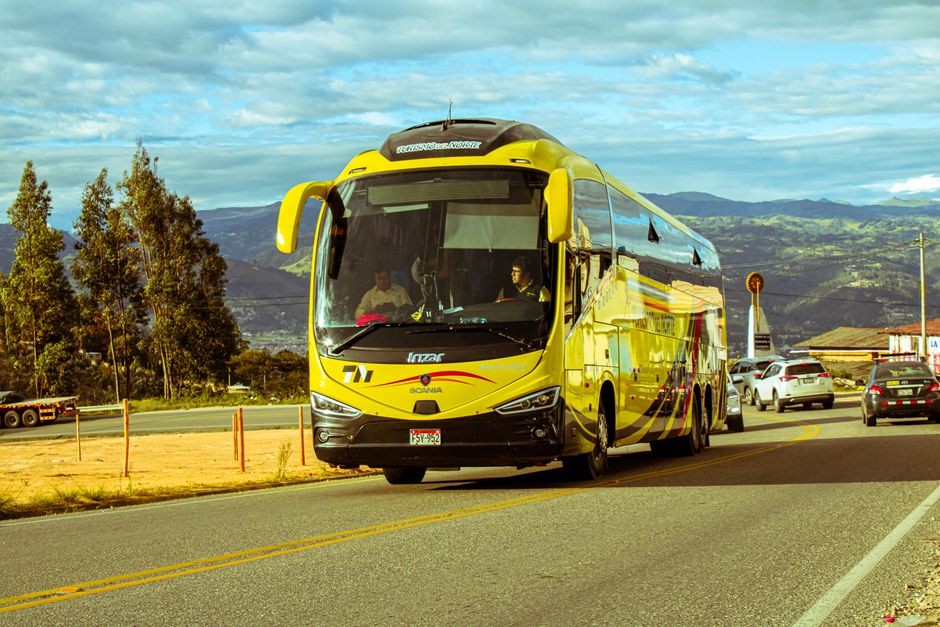
The bus market in Peru and Bolivia is highly competitive, with numerous companies operating on popular routes such as Lima to Cusco, La Paz to Uyuni, or Cusco to Puno. Major companies like Cruz del Sur, Oltursa, and Movil Tours in Peru, and Trans Omar, Todo Turismo, and Bolivar in Bolivia, offer a range of services designed to cater to different budgets. Generally, there are three main classes: standard (or semi-cama), cama (reclining seats), and bus cama (full reclining seats, often with more legroom and amenities). The price difference between these classes can be substantial, so choosing the right class based on trip duration and personal comfort can lead to significant savings.
When comparing companies, it is important to look beyond just the ticket price. Some companies may offer promotional discounts, loyalty programs, or bundle deals, while others may charge extra for luggage or onboard meals. In addition, the quality of service, safety records, and reliability can vary, which might affect the overall value. For budget-conscious travelers, it is often worth checking multiple companies and reading reviews to find a balance between cost and comfort.
Another factor influencing prices is the route itself. Certain routes, especially those connecting major tourist destinations, tend to have higher fares due to demand. In contrast, less popular routes might offer better deals. Being flexible with travel dates and times can also open up cheaper options, as overnight buses are often more affordable than daytime ones, and midweek departures may be cheaper than weekend ones.
Booking Strategies to Reduce Costs
One of the most effective ways to save money on bus travel is to book in advance. Many companies offer early bird discounts, and prices generally increase as the departure date approaches. Booking online through official websites or aggregator platforms like Busbud or RedBus can also provide access to exclusive online fares. However, it is advisable to compare prices on different platforms and directly on company websites, as sometimes in-person purchases at the terminal can be cheaper, especially if you are traveling to a less popular destination. In Peru and Bolivia, buying tickets at the bus station a day or two before departure may yield lower prices than booking weeks ahead, but this approach carries the risk of sold-out departures, especially during holidays.
Another useful trick is to sign up for newsletters or follow companies on social media, as they occasionally announce flash sales or discount codes. Additionally, some bus companies offer student discounts or reduced fares for residents of certain countries, so it is worth inquiring about eligibility. Loyalty programs, if available, can also accumulate points for future trips, but these are less common in the region.
When comparing fares, travelers should also consider the total cost of the journey, including transfer fees to and from bus terminals. Sometimes a slightly more expensive ticket with a closer terminal can offset the cost of a taxi ride. Therefore, it is wise to factor in all associated expenses when evaluating the overall savings.
Overnight Buses: Saving on Accommodation
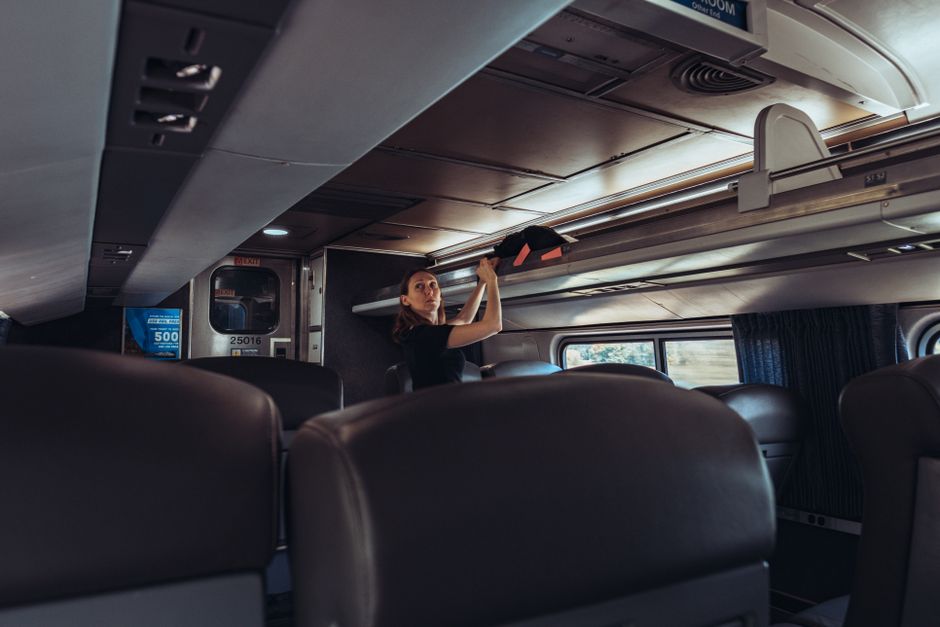
Overnight buses are a popular strategy among budget travelers because they simultaneously cover transportation and accommodation for one night. By choosing a night bus, travelers can save the cost of a hostel or hotel room, making long distances more economical. In countries like Peru and Bolivia, overnight services operate between major cities, with departure times typically around 20:00 to 22:00 and arrival in the early morning. For example, the route from Lima to Arequipa, which takes about 14 to 16 hours, is commonly traveled overnight, as is the journey from La Paz to Uyuni, which takes about 8 to 10 hours. When selecting an overnight bus, it is important to consider the class of service, as a comfortable seat or a slightly elevated fare can make the difference between a restful night and a sleepless one, which might affect the following day’s activities.
While overnight buses can significantly reduce costs, they are not always the cheapest option compared to a budget hostel plus a daytime bus. For instance, a hostel bed might cost around $10, while an overnight bus ticket could be $30 or more. However, the savings in time and the convenience of waking up at the destination often justify the expense. To maximize the cost-effectiveness, travelers can compare the total cost of a night bus versus a day bus plus accommodation, considering the quality of sleep and the potential need for a recovery day. Additionally, some overnight buses include a small meal or snack, which adds value, so it is worth checking what is included in the fare.
It is also worth noting that some bus companies offer a ‘bus cama’ class with fully reclining seats and increased legroom, which might be priced only slightly higher than a standard cama on certain routes. Since the difference can be minimal, upgrading to a more comfortable service can enhance the travel experience without a substantial cost increase.
Comparing Bus Companies: A Regional Overview
To make an informed decision, it is helpful to compare the main bus companies operating in Peru and Bolivia. In Peru, Cruz del Sur is known for its high safety standards and wide network, offering services from Lima to many destinations, including Cusco, Arequipa, and Huanchaco. Its fares tend to be on the higher end, but it often provides excellent amenities such as onboard Wi-Fi and fully reclining seats in its ‘bus cama’ class. Oltursa, another major player, also offers a similar level of comfort with competitive pricing, especially on routes like Lima to Paracas. Movil Tours is a popular budget-friendly option, with lower prices but still acceptable comfort levels.
In Bolivia, Trans Omar is one of the most reputable companies, known for its punctuality and comfortable services on routes like La Paz to Uyuni and La Paz to Sucre. Todo Turismo offers direct services from La Paz to Cusco, which are often used by tourists, and their prices are moderate. Bolivar is another budget-friendly choice, though amenities might be more basic.
When comparing companies, travelers should also look for special offers, such as promotional fares for new online bookings or weekend discounts. Some companies have partnerships with tourist agencies, which might lead to combo deals for tours and bus tickets. It is always a good idea to check the official websites of each company for the most current pricing and promotions.
Additional Money-Saving Tips
Beyond booking tactics and overnight buses, there are other strategies to reduce bus travel costs. One is to consider traveling during off-peak seasons. Peak travel times in Peru and Bolivia include national holidays like Semana Santa (Easter week) and the Inti Raymi festival in Cusco, when prices can double. Traveling during the shoulder season, such as April to June or September to November, can result in lower fares and fewer crowds. Another tip is to be flexible with your itinerary. Sometimes taking a bus to a smaller town and then connecting to another bus can be cheaper than a direct route, though it may take longer. For example, traveling from Cusco to Puno via Arequipa might seem circuitous, but if there are deals on that combination, it could save money, despite the extra hours.
Travelers can also consider using bus aggregator websites that compare prices across multiple companies, which can save time and sometimes offer discounted rates. Moreover, joining travel forums or social media groups can alert you to current promotions or code-sharing deals. It is also worth mentioning that some bus companies offer a discount if you book a round trip, so if your travel plans include a return leg, it might be cheaper to purchase a single ticket that covers both directions.
For savvy travelers, the key to saving on bus travel in South America lies in flexibility, research, and a willingness to adapt plans based on price variations.
Finally, it is important to remember that the cheapest option is not always the best value. When evaluating savings, consider factors like safety, comfort, and the potential for delays. A reputable company with a good safety record might justify a slightly higher fare, as it reduces the risk of complications that could end up costing more in time and money. In the end, combining a bit of research with an open mind can lead to a memorable and cost-effective journey through Peru and Bolivia.