Crafting the Perfect Three-Week Itinerary for Southeast Asia
Planning a three-week journey through Southeast Asia presents a unique set of opportunities and challenges. The region’s rich cultural heritage, diverse landscapes, and vibrant cities offer endless possibilities, but the abundance of choices can also feel overwhelming. This article outlines a step-by-step approach to crafting a balanced itinerary across Thailand, Vietnam, and Cambodia, focusing on practical time allocation and logical travel routing. By following a structured planning method, travelers can create a journey that feels both comprehensive and unhurried.
The key to a successful multi-country trip lies in understanding the geographical and logistical realities of the region. Thailand, Vietnam, and Cambodia share borders, but internal travel times can be significant. Therefore, the initial step involves researching major hubs and their connections. This planning phase not only sets the foundation for the route but also helps in setting realistic expectations for travel days and sightseeing opportunities. With a clear framework, the process of selecting destinations and allocating days becomes more straightforward.
Defining Your Travel Style and Priorities
Before diving into the specifics of a route, it is essential to reflect on personal travel preferences. Are you drawn to bustling cities, tranquil beaches, or historical sites? Do you prefer a fast-paced adventure or a slow, immersive experience? Allocating three weeks across three countries means making deliberate choices. For instance, if you are particularly interested in ancient temples, Angkor Wat might warrant more days than a typical visit. Conversely, if you love culinary exploration, spending extra time in Bangkok’s street food scene could be a priority.
Creating a list of must-see destinations and activities is a practical method to guide time allocation. Start by noting down the non-negotiables—places that you would regret missing. Then, consider the secondary attractions that could be included if time permits. This list will serve as a reference when building the itinerary. Additionally, it is helpful to think about the pace of travel. Many travelers find that moving too frequently can lead to fatigue and diminished appreciation of each location. Therefore, planning for at least two nights in most stops is often recommended, with the occasional longer stay in a major hub.
It is also important to consider the seasonal aspects of the region. The climate can vary significantly across these countries, with wet and dry seasons affecting travel plans. For example, the months from November to February generally offer more favorable conditions in much of Thailand and Vietnam, while Cambodia may be drier from November to April. Factoring in weather patterns can influence the order of destinations, especially if visiting during the rainy season in certain parts. However, flexibility is key, as microclimates and unexpected changes are always possible.
Selecting Core Destinations and Logical Routing
With priorities in mind, the next step is to select specific cities or regions for each country. A common and practical route might include Bangkok in Thailand, Hoi An or Hanoi in Vietnam, and Siem Reap in Cambodia. These hubs offer a mix of cultural, historical, and scenic experiences. To minimize back-tracking and travel time, arranging the route in a loop or a one-way direction is advisable.
One typical sequence is to start in Bangkok, fly to Hanoi, travel south through Vietnam, cross into Cambodia from Ho Chi Minh City, and then fly back to Bangkok for departure. This route allows for exploring Vietnam’s highlights—the capital Hanoi, the limestone karsts of Halong Bay, and the historic town of Hoi An—before heading to Siem Reap to witness the Angkor complex. Alternatively, starting in Vietnam and ending in Thailand is equally viable.
It is crucial to research the overland options between countries. For instance, the bus journey from Ho Chi Minh City to Siem Reap can take around 12 hours, but it may be more efficient to take a short flight (about 1 hour) to save a day. Similarly, flights within Vietnam, such as from Hanoi to Da Nang, are reasonably priced and can add precious time for exploration. The decision between overland and air travel often depends on budget and time constraints, but for a three-week trip, prioritizing convenience can reduce stress and maximize enjoyment.
Allocating Time Across Countries
Balancing the time among Thailand, Vietnam, and Cambodia is a matter of personal preference, but a common split is roughly one week per country. However, some may choose to spend slightly more time in one country if it aligns with specific interests. For example, if you are an avid hiker, the northern regions of Vietnam might beckon for a longer stay. If you are a history enthusiast, Cambodia’s ancient capitals could deserve extra days.
A suggested day-by-day breakdown could look like this: In Thailand, allocate four days in Bangkok to explore the Grand Palace, temples, and floating markets, with an optional day trip to Ayutthaya. In Vietnam, spend three days in Hanoi, including a one-day cruise on Halong Bay, and three days in Hoi An for its lantern-lit streets and nearby beach. In Cambodia, plan for four days in Siem Reap to fully experience the Angkor Archaeological Park and maybe visit the floating villages of Tonle Sap. This leaves buffer days for travel and unexpected discoveries.
It is important to remember that travel days often consume a good portion of the day, especially when crossing borders. Counting each full day as a half-day of sightseeing can help in setting realistic expectations. Many travelers find that planning for three full days in each major destination provides a comfortable balance between exploration and relaxation. Additionally, incorporating a break in a smaller town or coastal area can offer a refreshing change of pace from the urban hustle.
Incorporating Flexibility and Downtime
While a well-structured itinerary is valuable, it is equally important to leave room for spontaneity and rest. Over-planning every hour can lead to exhaustion and a sense of obligation rather than enjoyment. Instead, aim to schedule one or two key activities per day, allowing free time to wander, relax, or follow a local’s suggestion. This approach not only reduces pressure but also opens opportunities for unexpected encounters.
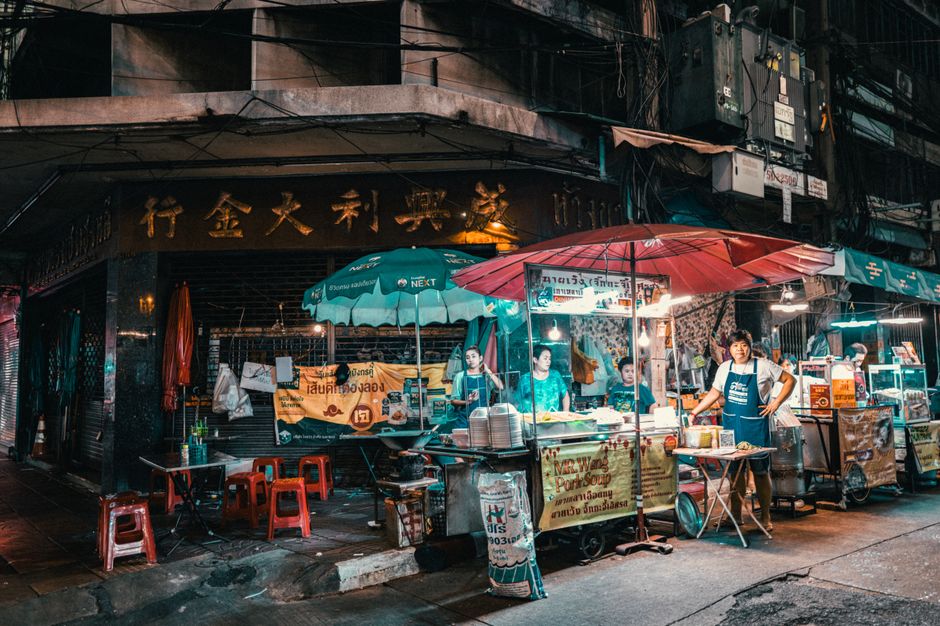
Downtime can be planned by designating certain afternoons or evenings as open. For instance, in a city like Bangkok, you might plan morning visits to temples and leave the evening free to explore a local night market. In beach destinations like Hoi An or the islands of Thailand, a full day of wellness and beach relaxation could be integrated. These moments of rest are vital for maintaining energy over the duration of the trip.
Additionally, it is wise to avoid packing too many destinations into the itinerary. A common mistake is trying to see every major city, resulting in a blur of sights and long transits. Instead, focusing on fewer places but spending more time in each allows for a deeper connection and understanding of the culture. This strategy is often more rewarding and aligns with the philosophy of slow travel, which emphasizes quality over quantity.
Practical Considerations and Next Steps
Once the skeleton of the itinerary is set, attention shifts to logistics such as transportation, accommodation, and visas. Researching these aspects in advance can prevent last-minute hassles. For example, flights within and between countries should be booked early, especially during peak season. Accommodation choices can range from budget hostels to boutique hotels, and each has its own benefits. For visas, many nationalities can enter these countries on a visa-free or visa-on-arrival basis, but it is essential to verify current requirements for your passport.
In addition, it is advisable to download offline maps, currency exchange apps, and translation tools. While English is widely spoken in tourist areas, having these resources can ease navigation and communication. Health and travel insurance should also be considered, as they provide a safety net in case of illness or unexpected events.
Finally, it is worthwhile to periodically review and refine the itinerary as the departure date approaches. This flexibility allows for adjustments based on new insights, recommendations, or changing interests. The process is not about perfection but about creating a framework that will facilitate a memorable and enriching journey.
Reflect on the time allocation: each day is a trade-off between what you gain and what you leave for the next visit. The best itinerary is one that balances discovery with reflection.
Ultimately, the art of crafting a three-week itinerary for Southeast Asia lies in thoughtful planning and a willingness to adapt. By prioritizing interests, choosing a logical route, and allowing for flexibility, travelers can build a journey that is both comprehensive and relaxed. The region’s wonders are abundant, and even in three weeks, you can experience a cross-section of its magic. As you move forward, remember that the itinerary is a guide, not a straitjacket; the true essence of travel often unfolds in the moments between planned activities.