Choosing Between Hostels and Boutique Hotels in Europe
When planning a solo journey through Europe, the choice of accommodation often sets the tone for the entire trip. In cities like Lisbon and Prague, where the streets are alive with history and culture, the place you rest your head can shape your daily experience. Two popular options stand out: hostels and boutique hotels. Each offers a distinct set of advantages and potential drawbacks, and the decision between them depends on various factors, including budget, travel style, and personal preferences.
This article provides a comparative overview of hostels and boutique hotels for solo travelers. It examines the key characteristics of each, considering aspects such as social atmosphere, privacy, cost, and location. The goal is to present a balanced perspective that helps you weigh the pros and cons based on your own needs. By understanding what each type of accommodation offers, you can make an informed choice that aligns with your travel priorities.
Understanding the Accommodation Landscape in European Cities
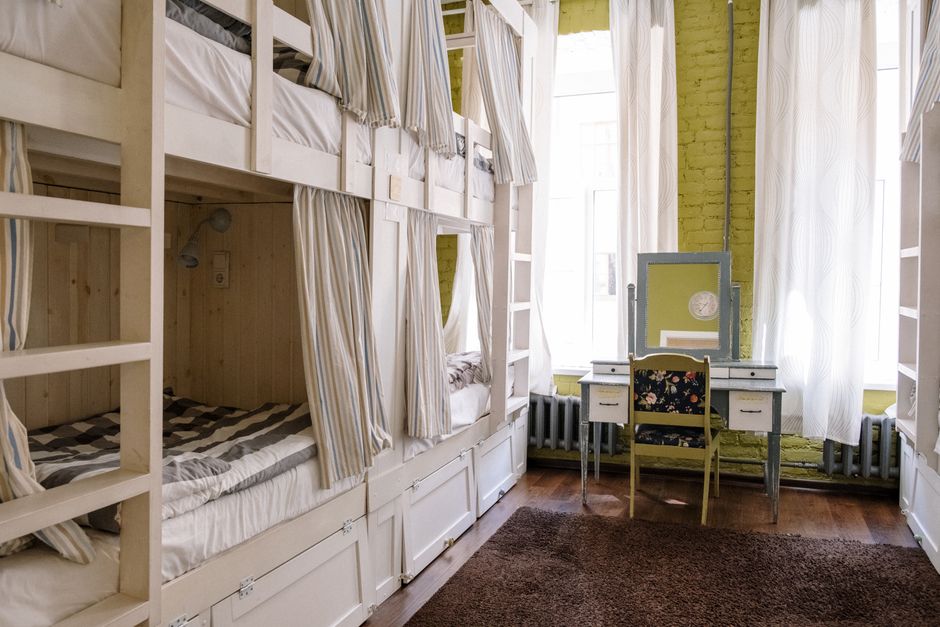
In major European destinations like Lisbon and Prague, the accommodation market is diverse, catering to a wide range of visitors. Hostels have long been associated with budget-conscious backpackers, offering dormitory-style rooms and communal spaces designed to encourage social interaction. In recent years, many hostels have upgraded their facilities, providing private rooms, modern amenities, and stylish common areas, blurring the lines between traditional hostels and budget hotels.
On the other hand, boutique hotels have gained popularity for their unique design, personalized service, and intimate atmosphere. These establishments are typically smaller than large chain hotels, often located in historic buildings or trendy neighborhoods, and they emphasize character and attention to detail. For solo travelers, boutique hotels can offer a sense of privacy and comfort, along with a more polished experience.
Both options have evolved to meet the needs of the modern traveler, and the distinction is not always black and white. Some hostels now rival boutique hotels in terms of design and amenities, while some boutique hotels offer shared spaces that foster social interaction. It is essential to look beyond the labels and consider the specific attributes that matter most to you.
Social Atmosphere and Meeting Fellow Travelers
One of the most significant differences between hostels and boutique hotels lies in the social opportunities they provide. Hostels are traditionally designed to be communal, with shared dormitories, common lounges, kitchen facilities, and organized activities such as city tours, pub crawls, and cooking nights. This environment naturally encourages interaction among guests, making it easier for solo travelers to meet others and forge friendships. For many, this is the highlight of staying in a hostel, as it can alleviate the solitude of traveling alone.
Boutique hotels, in contrast, tend to prioritize privacy and tranquility over social engagement. While they may have a bar or lounge area, the atmosphere is often more subdued, and guests typically keep to themselves. Solo travelers who prefer solitude or who are on a working trip might find this appealing, as it allows for quiet evenings and focused personal time. However, those seeking companionship may find it challenging to connect with other guests in a boutique hotel setting.
Ultimately, the decision hinges on your social needs. If you enjoy meeting new people and are open to shared experiences, a hostel could be the gateway to a more communal travel experience. Conversely, if you value personal space and quiet relaxation, a boutique hotel might better suit your temperament.
Privacy and Personal Space Considerations
Privacy is a crucial factor for many solo travelers. In hostels, dormitory rooms mean sharing space with strangers, which can lead to a lack of privacy and sometimes noise disturbances. Even though many hostels offer private rooms, these are often in limited supply and may come at a premium. The level of privacy also depends on the hostel’s design and management; some are well-designed to provide quiet areas despite the communal nature.
Boutique hotels, on the other hand, guarantee a private room with en-suite facilities, often including amenities like a minibar, safe, and work desk. The level of comfort and exclusivity is typically higher, with housekeeping services and concierge assistance. For solo travelers who require a quiet space to rest and recharge, or who simply prefer not to share accommodations, this can be a deciding factor.
It is worth noting that privacy also extends to bathroom facilities. While many modern hostels offer ensuite options in their private rooms, dormitory guests usually share bathrooms, which can be inconvenient at peak times. Boutique hotels always provide private bathrooms, which is a standard expectation. Considering your comfort with shared facilities is essential when choosing between these two options.
Cost Considerations and Value for Money
Budget is often a primary concern for solo travelers, especially when visiting cities like Lisbon and Prague, where the cost of living is lower than in some Western European capitals. Hostels generally offer the most budget-friendly rates, with dormitory beds being significantly cheaper than hotel rooms. This economic advantage allows travelers to allocate more of their budget to experiences such as dining, attractions, and transportation.
Boutique hotels, by nature, command higher rates due to the level of service, design, and privacy they offer. However, they can still be affordable when compared to luxury chain hotels, and many offer special deals for solo travelers or off-season discounts. It is also important to consider the value proposition: while a hostel bed may be cheap, additional costs such as locker rentals, towel fees, or breakfast charges can add up. Similarly, a boutique hotel rate often includes amenities like breakfast, Wi-Fi, and gym access, which could offset the higher initial price.
When comparing costs, it is wise to evaluate the total price of your stay, including hidden fees and included services, to make an accurate comparison. Your personal priorities, such as whether you prefer to save money on lodging or are willing to pay more for comfort and convenience, will guide your decision.
Location and the Local Experience
Location is a practical consideration that can significantly impact your travel experience. Hostels and boutique hotels are often situated in prime areas, but the nature of their neighborhoods may differ. Many hostels are located in lively districts near public transportation, bars, and attractions, which is convenient for solo explorers. They may be in historic buildings with a vibrant atmosphere, offering a taste of the local pulse.
Boutique hotels tend to be in trendy or upscale neighborhoods, sometimes in renovated palaces or townhouses with a more refined ambiance. They are often close to cultural landmarks or in central locations, providing easy access to museums, restaurants, and shopping. Both options can offer excellent locations, so it is essential to research the specific district and its proximity to the places you intend to visit.
For solo travelers, being in a safe and well-connected area is paramount. Cities like Lisbon and Prague are generally safe, but it is always advisable to read reviews and check the neighborhood’s reputation. Whether you choose a hostel or a boutique hotel, prioritize a location that feels secure and allows you to maximize your time without long commutes.
Making the Choice That Aligns with Your Travel Style
The decision between a hostel and a boutique hotel ultimately comes down to your travel style and priorities. If you are a sociable traveler who enjoys meeting people from all over the world, thrives in a communal atmosphere, and is comfortable with shared facilities, hostels can provide a rich and interactive experience. They are also an excellent choice for budget-conscious adventurers looking to stretch their funds.
Conversely, if you prefer privacy, value quiet and comfort, and are willing to invest more for a personalized stay, boutique hotels offer a seamless and hassle-free experience, often with a unique sense of place. They cater to those who might be traveling for work, seeking solitude, or simply desiring a touch of luxury.
It is also possible to combine both options during a trip—starting in a hostel to meet fellow travelers and then transitioning to a boutique hotel for the latter part of the journey for a restful conclusion. This hybrid approach allows you to enjoy the benefits of both without committing solely to one. Whichever route you choose, the key is to align your accommodation with your desired travel experience, ensuring that your base enhances rather than detracts from your exploration of Europe’s charming cities.