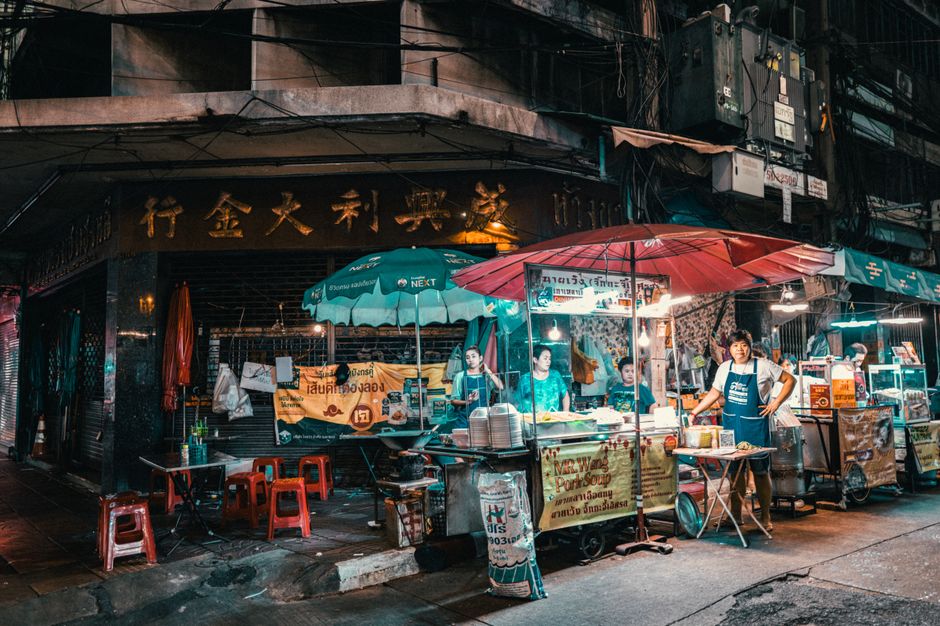
Street Food Tour of Bangkok: Essential Dishes and Stalls
Bangkok’s street food culture is as vibrant as the city itself, offering a sensory journey through flavors, aromas, and textures that define Thai cuisine. For those exploring the bustling streets, a street food tour is more than just a meal; it’s an immersion into the local way of life. This guide aims to navigate the essential dishes and stalls that showcase authentic local flavors, providing practical insights for both first-time visitors and seasoned food enthusiasts.
Navigating Bangkok’s street food scene can be overwhelming given the sheer number of options. Understanding the staples and knowing where to find them transforms the experience into a curated culinary adventure. The following sections highlight not only the must-try dishes but also the characteristics of stalls that offer a genuine taste of Bangkok’s culinary heritage. From savory noodle soups to sweet coconut-based desserts, each element contributes to the city’s gastronomic identity.
Essential Dishes to Sample
Bangkok’s street food repertoire is extensive, yet certain dishes stand out for their popularity and representation of Thai flavors. Pad Thai, a stir-fried rice noodle dish, is perhaps the most famous, typically featuring shrimp, tofu, egg, and bean sprouts, flavored with tamarind paste and fish sauce. Another staple is Tom Yum Goong, a hot and sour shrimp soup infused with lemongrass, kaffir lime leaves, and galangal, offering a complex balance of heat and acidity.
For those seeking a heartier option, Khao Pad (fried rice) and Khao Man Gai (chicken rice) are satisfying choices that highlight simple yet aromatic preparations. Additionally, Som Tum (green papaya salad) presents a refreshing contrast with its spicy, tangy, and crunchy profile, often served with sticky rice. These dishes form the core of many street food tours, yet each vendor imparts a unique twist, making exploration varied and exciting.
Iconic Stalls and Markets
Identifying reputable stalls is key to a rewarding street food experience. While recommendations can vary, certain areas are renowned for their concentration of quality vendors. Yaowarat Road in Chinatown is a prime destination, particularly after sunset, offering a plethora of stalls specializing in seafood, dim sum, and Thai-Chinese fusion dishes. The bustling atmosphere adds to the charm, allowing diners to observe the mastery of wok cooking and grilling techniques.
Another notable locale is the Chatuchak Weekend Market, where a dedicated food section houses dozens of stalls. Here, visitors can sample a diverse range of dishes, from skewered meats to coconut-based desserts, all within a sprawling outdoor setting. Khao San Road, known for budget travel, also presents a variety of street food options that cater to international palates. However, locals often frequent Soi Sukhumvit 38, once a legendary street food lane, though its stalls have moved to a nearby mall, preserving the same culinary traditions.
Characteristics of a Good Stall
Selecting a stall isn’t solely based on fame; certain indicators suggest quality and authenticity. High turnover of customers ensures freshness, as ingredients are cooked and replenished quickly. Observing the vendor’s technique and the cleanliness of the preparation area also matters. Stalls that specialize in a few dishes often demonstrate greater proficiency than those offering extensive menus. Additionally, the use of fresh herbs and spices, visible at the stall, contributes to the depth of flavor.
While online reviews and blogs can guide choices, local recommendations and the sheer number of Thai customers often serve as reliable signals. For those willing to explore, venturing beyond the tourist hubs into residential neighborhoods may uncover hidden gems with familial recipes passed down through generations. This approach not only supports local vendors but also provides a more intimate glimpse into Bangkok’s food culture.
Navigating Flavors and Preferences
Thai street food is characterized by a balance of sweet, sour, salty, and spicy elements. Personalization is common, with condiments like sugar, fish sauce, chili flakes, and vinegar available on tables to adjust flavors to individual taste. For those unfamiliar with intense spice, requesting ‘mai phet’ (not spicy) or ‘pet nit noi’ (a little spicy) can tailor dishes accordingly. Yet, experiencing the authentic heat is part of the culinary adventure, and many find it enhances the overall appreciation of the food.
Vegetarian and vegan options are increasingly available, though cross-contamination with fish sauce or shrimp paste is common. Communicating dietary restrictions clearly is essential, and vendors are often accommodating. Using phrases like ‘gin jay’ (vegetarian) can help convey specific needs, though it’s advisable to confirm that no animal products are used. This consideration allows a broader audience to enjoy Bangkok’s street food while respecting their preferences.
Practical Tips for a Street Food Tour
Embarking on a street food tour requires a blend of spontaneity and preparedness. Eating during daylight hours often ensures peak freshness, as many stalls prepare ingredients early in the morning. Carrying cash is necessary, as most stalls do not accept credit cards, and small denominations facilitate transactions. Hydration is also crucial, especially in Bangkok’s tropical climate, but bottled water is recommended rather than tap water.
Sharing dishes is a common practice, allowing groups to sample a wider variety. Pairing food with traditional beverages, such as Thai iced tea or fresh coconut water, can complement flavors and refresh the palate. Being receptive to new tastes and open to vendor suggestions enhances the experience. Above all, a street food tour in Bangkok is about exploration and enjoyment, with each bite offering a story of culinary tradition and innovation.
As the sun sets and the neon lights illuminate the food stalls, the city’s street food scene awakens with renewed energy. The aroma of grilling skewers, the sizzle of woks, and the chatter of diners create an enveloping atmosphere that is distinctly Bangkok. For those who embark on this culinary journey, the memories and flavors linger long after the return home, inviting future visits to this gastronomic haven.
“Street food is the soul of Bangkok’s cuisine, where every stall tells a story and every dish embodies the essence of Thai culture.”